+33 (0) 3 20 16 91 40

Materials testing laboratory
bandeau_page_produit
chapeau
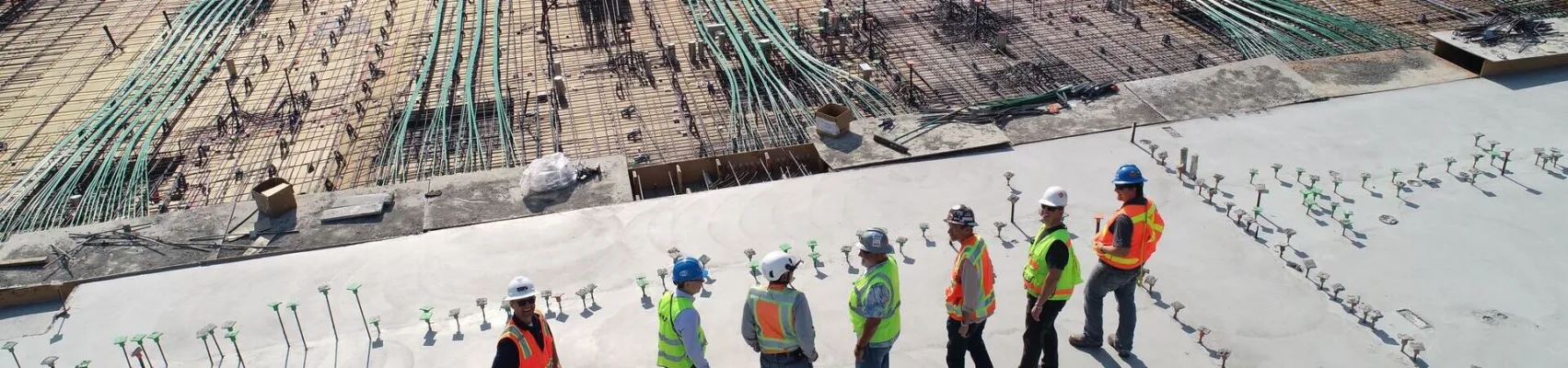
You are an industrial company in the building or construction sector, or a laboratory providing services to industrial companies for the characterisation of their materials or waste treatment. Your materials or waste are tested.
AGLAE provides you with interlaboratory comparisons in various solid materials (sediments, sludges, polluted soils and sites, industrial waste, bituminous waste, solid fuel products).
Materials testing in your laboratory
Contenu
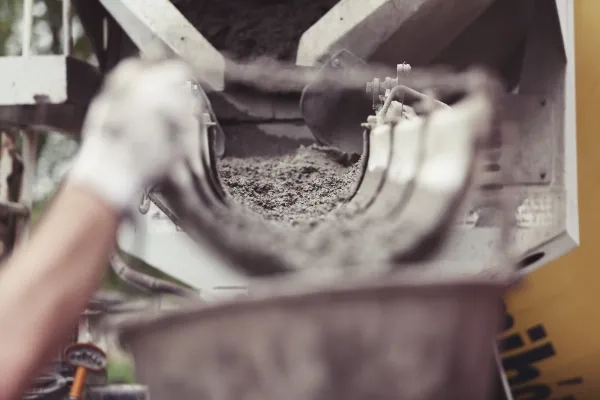
This may involve analyses of :
- natural materials such as soils, sands, clays, minerals or
- building materials, including cement, concrete, bitumen, coatings, etc.
The most commonly tested materials are: cements, clinkers, ashes, additives, aggregates, soils, sediments and building stones.
You carry out material characterisation tests, i.e. you assess the physical, chemical, mechanical, thermal, electrical, optical and magnetic properties of materials. Knowing their characteristics enables you to ensure their conformity and control the risks of possible failures (cracks, breakage, corrosion, etc.).
As far as physico-chemical tests are concerned, chloride and sulphate measurements are carried out on concrete and cement, as well as sulphur and organic pollutant analyses on aggregates. Granulometry is carried out on concrete.
Your expectations in terms of Quality Control
Contenu
The EU environmental policy is largely determined by its implementation at national, regional and local levels. In France, each company is responsible for the waste it produces and/or holds until it is eliminated. Waste elimination involves the collection, transport, storage, sorting and treatment required to recover reusable elements and materials or energy, as well as disposal or discharge into the natural environment. Waste must be characterised.
Depending on the category, the operators responsible for processing the waste are required to hold an authorisation.
Which proficiency tests could be of interest to you?
Contenu
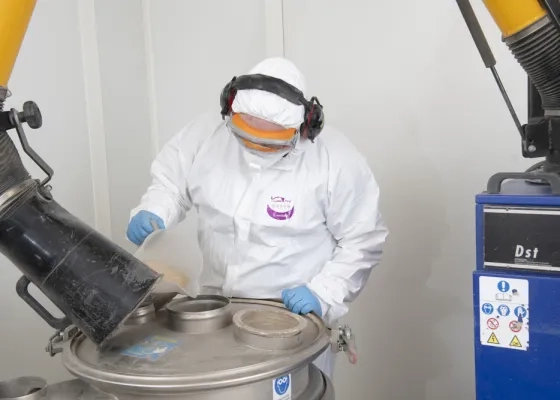
This category of interlaboratory comparisons may be of interest to you:
Chemical pollutants in waste, sediments, soils, granulometry (see Chemistry in solid matrices)
By taking part in these interlaboratory comparisons, you will receive an estimate of your analytical performance, enabling you to improve the quality of your analyses of materials and waste.
Body
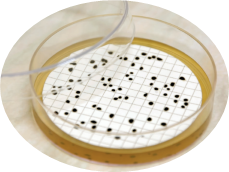
AGLAE provides several programmes including the analysis of C. perfringens:
- 30A 'Spores of SRA and Clostridium perfringens in fresh waters and waste waters': enumeration of the spores of sulfite-reducing anaerobes, spores of Clostridium perfringens and of the paramètre 'spores and vegetative cells' of Clostridium perfringens. The test samples are suitable for the check of waste waters for the irrigation of green spaces and crops.
- 39 'Vegetative cells and spores of Clostridium perfringens in clean waters': each laboratory enumerates, according to ISO 14189, vegetative cells and spores of Clostridium perfringens by membrane filtration in samples of water aimed at human consumption.
Note also the spores of sulfite-reducing anaerobes implemented in the programme 30 'Microbiology in clean waters'.
More information about these interlaboratory comparisons
Laboratory of "heavy" industry
bandeau_page_produit
chapeau
You are an industry from the metallurgical, chemical, oil, nuclear, textile, pharmaceutical sectors, or a service provider working in these fields. You monitor discharges into the air, water, soil, sludge coming from your wastewater treatment plant, your waste or the water in your cooling circuits.
AGLAE provides you with interlaboratory comparisons of physico-chemical and microbiological parameters in wastewater, sludge, waste and soil.
The analyses performed by your laboratory of the industrial field
Contenu
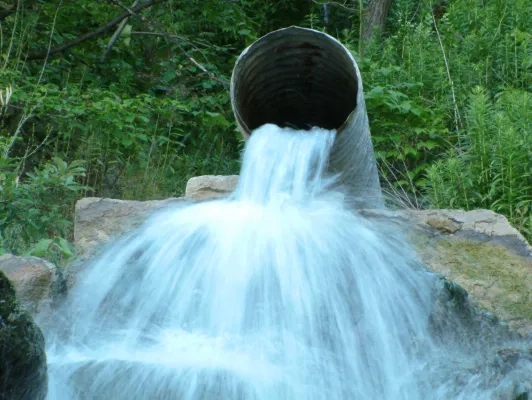
- In order to prevent any environmental contamination (rivers, groundwater, soil, etc.), industrial companies must, depending on their activity, comply with requirements in terms of resources and/or results, as their discharges can have a significant impact on the environment and public health.
- Chemical substances (macropollutants and micropollutants) are analysed in wastewater from classified installations for the protection of the environment. It should be noted that industry is responsible for a large proportion of organic pollutants discharges and almost all discharges of heavy metals.
- Some substances, because of their complexity of analysis, deserve special attention: alkylphenols and their ethoxylated forms, free cyanides, PFAS (in particular in the textile industry), brominated flame retardants (BDEs).
- The trace element content of the sludge is measured with a view to its possible application to land.
- Waste is characterised before it is landfilled or stored.
Your expectations in terms of Quality Control
Contenu
When it comes to controlling and reducing pollutant discharges into water, two major European regulations are essential:
- The Water Framework Directive (DCE 2000/60/CE) which sets targets for preserving aquatic ecosystems.
This Directive is transposed in each European country and requires that installations classified for environmental protection research hazardous substances in their effluents, with the aim of reducing or halting discharges and emissions of many substances.
- The Directive No. 2010/75/EU, known as the "IED Directive" on industrial emissions (preventing and controlling industrial emissions).
As part of regulatory surveillance or self-monitoring, you ensure the validity of your results and monitor your performance by comparing it with the results of other laboratories.
Which proficiency tests could be of interest to you?
Contenu
Your laboratory is likely to be interested in these proficiency tests:
- Various chemical pollutants in waste waters (check Base parameters in waters, Metals in waters, Indexes in waters, Organic pollutants in waters)
- Chemical pollutants in waste, soil or sludge coming from your industrial waste water treatment plant (check Chemistry in solid matrices)
- Legionella in waters from cooling towers (check Microbiology in waters)
- Ecotoxicology (check Biology and ecotoxicology in waters)
By taking part in these intercomparisons, you receive an estimate of your analytical performance, enabling you to improve the quality of your measurements on your discharges.